
If a balcony fails an SB 721 or SB 326 inspection, California law requires swift action to protect occupants and bring the property back into compliance. A failed inspection does not automatically mean a collapse is imminent—but it does mean that safety risks, structural concerns, or serious maintenance issues have been identified and cannot be ignored.
For apartment owners, HOA boards, and property managers, understanding what failure means, what happens next, and how quickly repairs must be made is critical. This guide explains the real-world consequences of a failed balcony inspection, outlines required next steps, and shows how working with an experienced inspection firm like West Coast Deck Inspections can reduce risk, cost, and liability.
Why SB 721 and SB 326 Balcony Inspections Matter
Balcony, deck, and exterior walkway failures can cause severe injuries or fatalities. California enacted SB 721 and SB 326 to proactively identify dangerous conditions before tragedy occurs.
Both laws focus on Exterior Elevated Elements (EEEs)—structures exposed to weather and supported in whole or in part by wood. Over time, water intrusion, poor waterproofing, and hidden decay can compromise these elements without obvious warning signs.
Regular inspections are not just a legal requirement—they are a core component of responsible property ownership and resident safety.
Understanding SB 721 and SB 326 Inspection Requirements
Overview of SB 721 for Multifamily Residential Buildings
SB 721 applies to apartment buildings and other multifamily rental properties with three or more dwelling units. Property owners must arrange periodic inspections of qualifying EEEs by a qualified professional.
If an inspection identifies unsafe conditions, the owner is legally obligated to take corrective action within defined timelines.
Overview of SB 326 for Condominiums and HOAs
SB 326 applies to condominium buildings and homeowners associations where the HOA is responsible for maintenance of balconies, decks, and similar elements.
HOA boards have a fiduciary duty to act on inspection findings and protect residents from known hazards. Failure to do so can expose the association—and individual board members—to significant legal risk.
What Counts as an Exterior Elevated Element (EEE)
Exterior Elevated Elements include:
- Balconies and decks
- Exterior stairways and walkways
- Porches and landings
- Guardrails and handrails
- Waterproofing systems associated with these structures
If the element is more than six feet above ground and supported by wood, it likely falls under SB 721 or SB 326.
Inspection Frequency and Deadlines
- SB 721: Initial inspection cycle followed by inspections every six years
- SB 326: Initial inspection cycle followed by inspections every nine years
Local jurisdictions may impose additional documentation or enforcement requirements.
Who Is Responsible for Compliance
- SB 721: Property owner or landlord
- SB 326: HOA board of directors
Responsibility cannot be delegated away—even if management companies or vendors are involved.
What Does It Mean If a Balcony Fails Inspection?
A balcony “fails” when the inspector identifies conditions that do not meet safety or structural standards. This does not always mean collapse is imminent, but it does mean corrective action is required.
Common Conditions That Cause Inspection Failure
- Dry rot or fungal decay
- Water intrusion into framing
- Deteriorated waterproofing membranes
- Corroded fasteners or connectors
- Improper guardrail attachment
- Inadequate structural load capacity
Structural vs. Non-Structural Deficiencies
- Structural deficiencies affect load-bearing components and require urgent repair.
- Non-structural deficiencies (like waterproofing failure) may not be immediately dangerous but can quickly become structural if ignored.
Dry Rot, Water Intrusion, and Load-Bearing Issues
Most failures stem from long-term moisture exposure. Water finds its way behind stucco, tile, or coatings, slowly degrading wood framing until strength is compromised.
Guardrail, Waterproofing, and Attachment Failures
Loose or improperly attached guardrails are a common reason for restricted access. Waterproofing failures are equally serious, as they often hide deeper structural decay.
Severity Levels and Safety Risk Classifications
Inspection reports typically classify issues as:
- Immediate life-safety risk
- Non-emergency but required repair
- Maintenance item to monitor
The classification determines how quickly action must be taken.
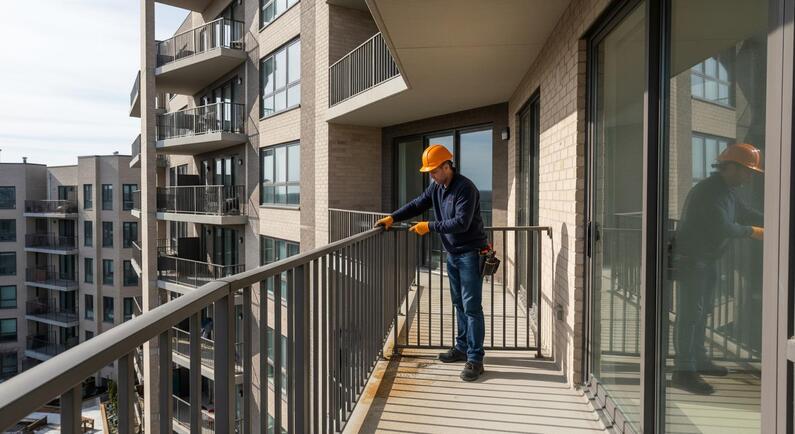
Immediate Consequences of a Failed SB 721 or SB 326 Inspection
Mandatory Reporting to Local Enforcement Agencies
If an inspection identifies an immediate safety risk, the findings must be reported to the local building or code enforcement authority.
Red-Tagging and Restricted Access to Balconies
Unsafe balconies may be red-tagged or otherwise restricted. Residents must be prevented from accessing the area until repairs are completed and approved.
Tenant or Resident Safety Notices
Owners and HOAs are responsible for notifying occupants and ensuring clear communication about restricted access and repair timelines.
Temporary Shoring or Emergency Repairs
In some cases, temporary shoring or stabilization may be required to reduce risk while permanent repairs are designed and permitted.
Documentation and Recordkeeping Requirements
Inspection reports, repair records, permits, and re-inspection approvals must be retained for future compliance and potential property transactions.
Required Next Steps After a Failed Balcony Inspection
Receiving and Reviewing the Inspection Report
The inspection report outlines observed conditions, severity levels, and recommended actions. This document becomes the roadmap for compliance.
Hiring a Licensed Contractor or Structural Engineer
Repairs must be performed by properly licensed professionals experienced in EEE remediation.
Developing a Repair Scope and Timeline
A clear scope helps control costs, coordinate residents, and avoid delays with permitting and inspections.
Obtaining Permits for Required Repairs
Most balcony repairs require permits. Skipping this step can result in enforcement penalties and re-work.
Coordinating Repairs with Tenants or HOA Members
Clear communication minimizes disruption and builds trust during what can be an inconvenient process.
Repair Timelines and Deadlines Under SB 721 and SB 326
Typical Repair Timeframes After a Failure
- Emergency conditions: Immediate action required
- Non-emergency SB 721 repairs: Permits typically required within 120 days, with repairs completed after approval
Extensions and Exceptions
Extensions may be granted by local authorities, but they must be formally requested and documented.
Emergency vs. Non-Emergency Repair Scenarios
The inspector’s classification determines whether timelines are flexible or mandatory.
Local Jurisdiction Enforcement Differences
Cities and counties vary in how aggressively they enforce timelines, penalties, and follow-up inspections.
Consequences of Missing Repair Deadlines
Missed deadlines can result in fines, enforcement actions, and liens against the property.
Costs and Financial Implications of a Failed Inspection
Typical Repair Cost Ranges for Balcony Defects
Costs vary widely depending on damage severity, access, and finishes. Minor waterproofing repairs may be manageable, while structural reconstruction can be significant.
Who Pays for Repairs (Owners vs HOA Reserves)
- Apartment owners fund repairs directly
- HOAs typically use reserve funds or special assessments
Special Assessments for Condominium Associations
Many associations must levy special assessments when reserve funds are insufficient.
Insurance Coverage Considerations
Insurance may not cover damage caused by deferred maintenance or known hazards.
Long-Term Cost Savings of Early Compliance
Early detection almost always costs less than emergency repairs or post-failure reconstruction.
How to Prevent Future Inspection Failures
Proactive Maintenance and Waterproofing
Routine sealing, coating maintenance, and drainage checks dramatically reduce failure risk.
Scheduling Pre-Inspection Assessments
Pre-inspections allow issues to be corrected before the official compliance inspection.
Addressing Minor Issues Before They Escalate
Small cracks and leaks often precede major structural damage.
Maintaining Accurate Inspection Records
Well-documented maintenance demonstrates diligence and reduces liability.
Working with SB 721 and SB 326 Specialists
Experienced inspectors understand where failures occur and how to mitigate them early.
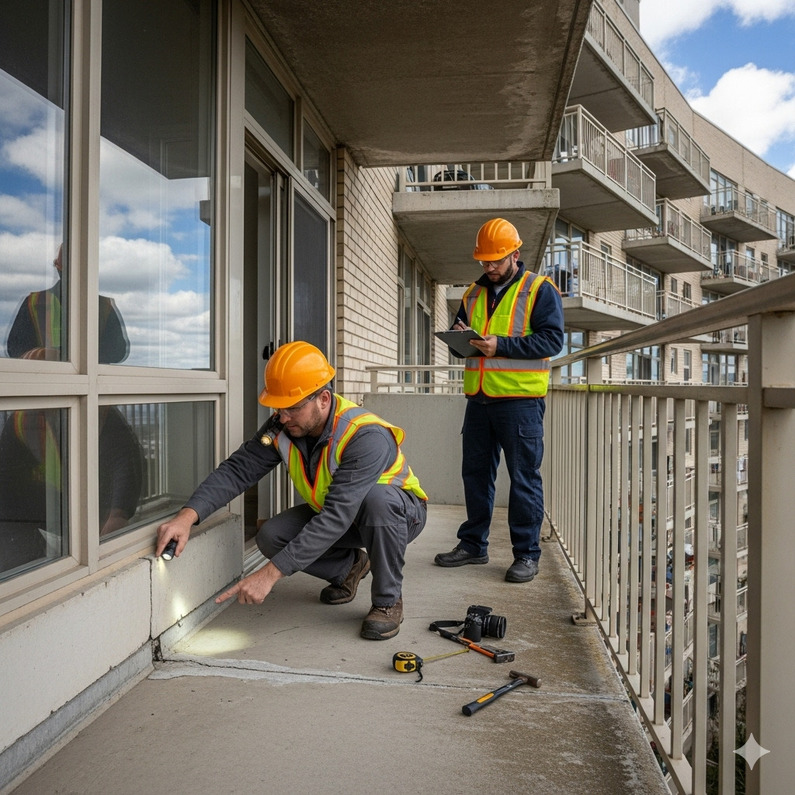
Choosing the Right Professional After a Failed Inspection
Difference Between Inspectors, Engineers, and Contractors
Each plays a distinct role—inspection, design, and repair—and coordination matters.
Licensing and Qualification Requirements
Always verify licensing and specific experience with SB 721 and SB 326 projects.
Questions to Ask Before Hiring a Repair Specialist
Ask about similar projects, timelines, permitting experience, and re-inspection support.
Ensuring Repairs Meet SB 721 and SB 326 Standards
Repairs must fully address the conditions cited in the inspection report.
Coordinating Re-Inspection and Final Sign-Off
Final approval is essential to restore access and close out compliance.
Common Questions Property Owners and HOAs Ask
Can Tenants Use a Balcony After It Fails Inspection?
No—access must be restricted until the issue is resolved.
Can Repairs Be Phased Over Time?
Sometimes, depending on severity and local enforcement.
What Happens If Only One Balcony Fails?
That balcony must be addressed, and similar units may require additional evaluation.
Do Older Buildings Have Different Requirements?
Age does not exempt a building from compliance.
What Documentation Is Required for Compliance?
Inspection reports, permits, repair records, and re-inspection approvals.
Moving Forward with Confidence and Compliance
A failed SB 721 or SB 326 inspection can feel overwhelming—but it does not have to become a crisis. With the right guidance, clear planning, and experienced professionals, most properties can move from failure to full compliance efficiently and responsibly.
West Coast Deck Inspections specializes in SB 721 and SB 326 inspections throughout Southern California, including San Diego, Orange County, Los Angeles, Riverside, Santa Clarita, and the Desert Cities. Their team helps property owners and HOAs understand findings, prioritize repairs, and confidently navigate the compliance process from start to finish.
When safety, liability, and legal compliance are on the line, experience matters.