
Preparing for a balcony inspection is now a required responsibility for many California property owners and HOA boards. Under SB 721 and SB 326, qualifying properties must undergo regular inspections of balconies and other exterior elevated elements, and poor preparation can result in failed reports, restricted access, enforcement action, and unexpected repair costs.
This guide explains how to prepare for a balcony inspection the right way—what the laws require, what inspectors actually look for, and how owners and HOAs can reduce risk before inspection day. It also includes practical property owner balcony inspection tips, an SB 326 balcony inspection checklist, and an SB 721 compliance checklist you can follow step by step.
For properties across Southern California, including San Diego, Orange County, Los Angeles, Riverside, Santa Clarita, and the Desert Cities, West Coast Deck Inspections helps owners and HOAs navigate inspection preparation with clarity and confidence.
Understanding Balcony Inspection Requirements
California’s balcony inspection laws focus on identifying structural and waterproofing failures before they become serious safety hazards. Preparation begins with understanding which law applies to your property and what elements must be inspected.
SB 721 generally applies to multifamily apartment buildings and requires periodic inspections of qualifying exterior elevated elements—particularly those supported substantially by wood. Property owners are responsible for scheduling inspections, providing access, maintaining records, and addressing identified deficiencies.
SB 326 applies to condominium buildings and HOAs responsible for maintaining balconies, decks, walkways, and similar structures. HOA boards carry a fiduciary duty to ensure inspections are completed, findings are addressed, and documentation is retained for future compliance.
In both cases, inspections focus on exterior elevated elements (EEEs), which commonly include balconies, decks, exterior stairways, walkways, landings, guardrails, and associated waterproofing systems. If the structure is more than six feet above ground and designed for occupancy, it likely qualifies.
Inspection cycles and deadlines vary by statute and property type, but even properties that missed an initial deadline are still subject to inspection and enforcement. Staying prepared year-round helps prevent rushed decisions and costly surprises.
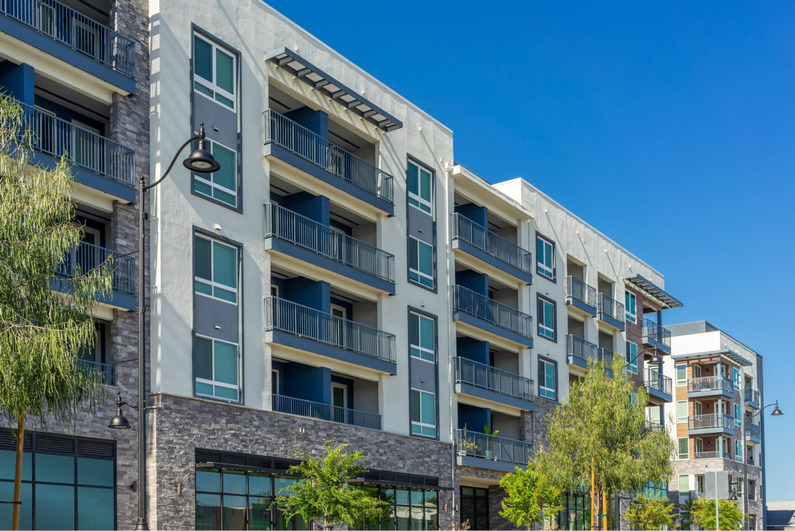
Step-by-Step Guide to Preparing for a Balcony Inspection
Strong inspection outcomes start well before the inspector arrives. Preparation should focus on documentation, access, and visible safety conditions—not cosmetic touch-ups.
Start With Records and Property Information
Before walking the site, gather relevant documents, including prior inspection reports, waterproofing warranties, repair invoices, permits, reserve study notes (for HOAs), and resident maintenance complaints related to leaks or structural movement. Organized records help inspectors understand the property’s history and reduce unnecessary follow-up.
Next, identify every exterior elevated element on the property—not just obvious balconies. Create a simple inventory that notes locations, structure types, surface materials, and drainage methods. Missed elements are one of the most common compliance issues.
Perform a Visual Pre-Inspection Walkthrough
A walkthrough helps identify conditions that deserve attention before the official inspection. Focus on clear warning signs such as soft walking surfaces, standing water, loose or unstable guardrails, cracked coatings, exposed substrate, rusted connectors, or visible wood decay.
If a property has a history of leaks or repeated repairs, consulting with a specialist—such as through West Coast Deck Inspections’ waterproofing consulting services—can help address root causes rather than surface symptoms.
Address Obvious Safety Hazards Early
If something appears unsafe, it should be treated as a safety issue immediately. This may include restricting access to unstable balconies, removing trip hazards, or reducing excessive loads from storage or heavy planters. These actions protect residents and demonstrate proactive management.
Document Existing Conditions
Clear photos of each balcony or elevated element—along with close-ups of any damage—create a valuable record. Documentation helps with repair planning, future inspections, and long-term compliance tracking.
Common Issues Inspectors Look For
Understanding inspection priorities helps owners and HOAs prepare more effectively. Most inspection findings fall into a few recurring categories:
- Water intrusion and moisture damage, often visible as staining, bubbling coatings, or damp framing near doors and edges
- Dry rot, wood decay, and fungal growth, especially where waterproofing has failed over time
- Concrete deterioration, including cracking, spalling, delamination, or exposed reinforcement
- Rusted or corroded metal components, such as fasteners, hangers, and railing attachments
- Guardrail stability issues, including loose posts, missing hardware, or improper anchoring
- Failed or missing waterproofing systems, which often signal hidden structural damage
These issues rarely appear overnight. Most develop slowly due to deferred maintenance or poor drainage.
Maintenance and Repairs to Complete Before the Inspection
Preparing for inspection does not mean hiding defects—it means responsibly addressing obvious problems and reducing avoidable risk.
Owners and HOAs should focus on completing reasonable pre-inspection maintenance, such as repairing minor surface damage correctly, re-sealing joints and penetrations where appropriate, tightening or replacing loose fasteners, and clearing drainage paths so water can exit freely.
Excessive balcony storage should be removed so surfaces, edges, and guardrails are fully visible. Inspectors must be able to see and access the elements they are evaluating.
Preparing Tenants or Residents for the Inspection
Communication plays a major role in inspection success. Residents should receive advance notice explaining when inspections will occur, what access is required, and what items need to be moved.
If unit entry is necessary, owners and HOAs must coordinate access carefully and follow all notice requirements. During inspections, residents should understand that temporary balcony restrictions may occur and that safety signage and barriers must be respected.
Providing a simple FAQ can reduce confusion and improve cooperation throughout the process.
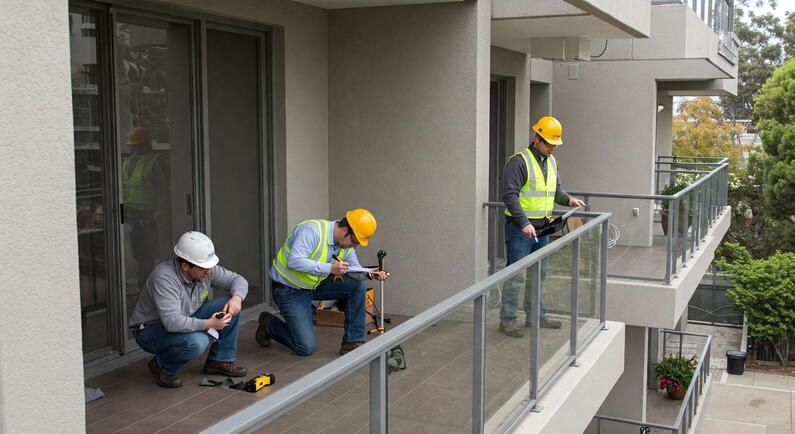
Not all inspectors are qualified to perform SB 721 or SB 326 inspections. Experience with exterior elevated elements, waterproofing systems, and compliance reporting matters.
Qualified inspectors understand when visual review is sufficient and when limited invasive testing is necessary to confirm suspected hidden damage. They also provide clear, photo-documented reports that outline conditions, severity, and recommended next steps.Property owners and HOAs in Southern California can learn what a proper inspection includes by reviewing the Inspection Services offered by West Coast Deck Inspections.
What to Have Ready on Inspection Day
Inspection day should run efficiently if preparation is complete. Ensure inspectors have access to all balconies and elevated elements, including keys, codes, or escorts where needed.
Have available any property plans, drawings, repair histories, and maintenance records. Designate a single on-site point of contact who can answer questions and coordinate access. Clear work areas and safe access routes help inspectors focus on evaluation rather than logistics.
What Happens After the Balcony Inspection
After the inspection, owners and HOAs should carefully review the report to understand the severity of findings and recommended actions. Many properties receive conditional results rather than outright failures, meaning repairs are required but not necessarily urgent.
If deficiencies are identified, developing a clear repair scope early helps avoid repeat work and enforcement issues. Some repairs may require documentation or follow-up verification before balcony access can be restored.
All inspection reports, repair records, permits, and photos should be retained for future compliance cycles and property transactions.
Common Mistakes to Avoid When Preparing for a Balcony Inspection
Several avoidable mistakes cause unnecessary stress and cost:
- Waiting until the last minute to prepare
- Ignoring minor damage that later triggers failure
- Failing to communicate clearly with residents or HOA members
- Hiring unqualified inspectors or contractors
- Maintaining incomplete or disorganized records
Avoiding these alone significantly improves inspection outcomes.
Staying Inspection-Ready Year After Year
The most successful properties treat balcony safety as an ongoing program rather than a one-time event. Routine maintenance, annual visual assessments, and proactive budgeting for preventative repairs reduce emergency costs and improve long-term safety.
Updating aging waterproofing systems before failure and partnering with SB 721 and SB 326 specialists keeps properties ahead of compliance issues—not reacting to them.
For owners and HOAs across Southern California, West Coast Deck Inspections provides inspections and compliance support designed to keep properties inspection-ready and residents safe.Next step: Schedule an inspection or request a quote at