SB-721 vs. SB-326 comes down to one question: is your building an apartment complex or a condo association? SB-721 covers buildings with three or more apartment-style units, SB-326 covers condo associations, and both laws require someone qualified to inspect the balconies, decks, and walkways.
The Short Answer: Who Each Law Covers
If one owner or company owns the building and rents out the units, SB-721 is your law. If the units are individually owned and an association looks after the common areas, SB-326 is your law.
Both laws target the same thing: Exterior Elevated Elements (EEE). That means balconies, decks, walkways, stairways, and landings that are supported in whole or in part by wood or wood-based products.
SB-721: Apartments and Multi-Family Buildings
SB-721 applies to buildings with three or more multi-family dwelling units. The owner carries the responsibility, and that usually means you or your property manager. If you manage a portfolio across Los Angeles, Orange County, San Diego, or Riverside, each building needs its own file.
Our SB-721 inspection service is built for this. We inspect the elevated elements, document what we find, and hand you a report your insurer and city accept.
SB-326: Condos and HOAs
SB-326 applies to common-interest developments, which is the legal term for condo associations. The scope is the same as SB-721, but the responsibility lands on the HOA board instead of a single building owner.
That changes who you answer to. Board members need a clean report for association records, the insurer, and the reserve study. Our SB-326 inspection service is written around that need.
Side-by-Side: SB-721 vs. SB-326
This is the quick version. The table below shows where the two laws match and where they split.
| SB-721 | SB-326 | |
|---|---|---|
| Applies to | Buildings with 3+ multi-family dwelling units | Common-interest developments (condo associations) |
| Who is responsible | Building owner | HOA board |
| Inspection cycle | Every six years | Every nine years |
| What gets inspected | Exterior Elevated Elements (EEE) | Exterior Elevated Elements (EEE) |
| Who needs the report | Owner, city, and insurer | Association records, insurer, and reserve study |
Notice that the scope is identical. Only the owner, the cycle, and the paperwork audience change.
How to Tell Which Law Applies to Your Building
You Own or Manage an Apartment Building
You have three or more units under one owner, and tenants rent them. That is SB-721. You are the responsible party, even if a property management company handles the day-to-day.
You Sit on a Condo Board
Your owners hold title to their own units, and the association maintains the shared walkways, stairways, and balconies. That is SB-326. The board is on the hook, so the board should hold the report.
Your Building Doesn’t Fit Neatly
Mixed ownership, a small building, or a complex that has changed hands can blur the line. Don’t guess here. Call (760) 206-6408 and we’ll tell you which law applies before you schedule anything.
What the Inspector Actually Checks
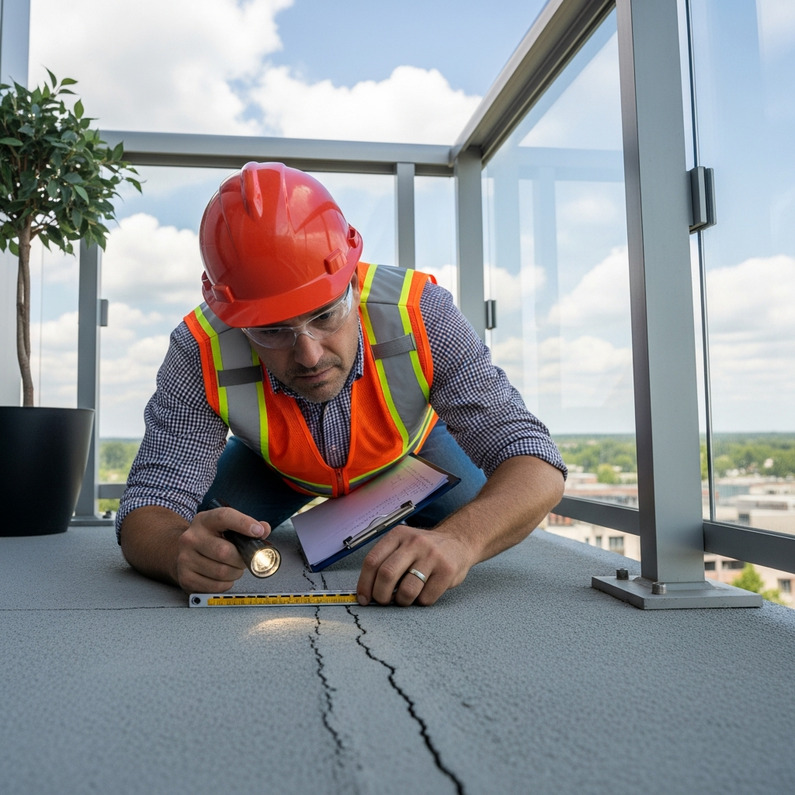
Both laws send an inspector to look at the same parts of the building. Mark Marsch personally handles every West Coast Deck inspection, and he brings 27 years of forensic water consulting to the job. That matters, because most balcony failures start with water you can’t see.
| Element | What we look at | Why it matters |
|---|---|---|
| Balconies | Structure, surface, and edges | Balcony failures often start where water gets in |
| Walkways and stairways | Wood supports and connections | People use them daily, so failure puts people at risk |
| Decks and landings | Coatings, seams, and flashing | Failed waterproofing lets moisture reach the wood |
| Hidden water damage | Signs of moisture behind surfaces | Damage you can’t see turns structural over time |
When we find moisture getting in, we document where. If you need to go deeper, our waterproofing consulting pinpoints the source so repair scope is based on facts, not guesses.
How Often You Need to Inspect
The two laws run on different clocks. For multi-family buildings under SB-721, the state requires an EEE inspection every six years. SB-326 condos run on a nine-year cycle.
We break down what happens after the first round in our post on how often deck and balcony inspections are required. The short version: the clock keeps running, so keep every report in one place.
Plan the cycle around your building, not the calendar year. If you own several properties, stagger the inspections so you aren’t facing every report, every repair, and every invoice in the same quarter. Boards can do the same with their reserve planning.
Waterproofing is a separate tool. You can bring in a consultant any time you suspect a leak or see coating failure, whether or not your cycle is due. Catching water early is almost always cheaper than fixing the wood it ruined.
What Happens If You Skip the Inspection
If a balcony fails and there is no current SB-721 or SB-326 inspection on file, the liability lands on the owner. For an apartment, that’s you. For a condo, that’s the association and, by extension, the board.
A failed inspection is a separate problem, and it’s fixable. Read what happens if a balcony fails an SB-721 or SB-326 inspection so you know the steps before you need them.
What It Costs and When to Book
Cost depends on how many buildings and how many elevated elements you have. We give a free quote, and our inspection cost guide explains what drives the price.
Spring is the cleanest window. The weather is dry, there’s no winter water sitting in the substrate, and you have room to fix problems before summer. Inspections also book up ahead of peak summer, so earlier is easier.
Common Mistakes Owners and Boards Make
Assuming a Condo Building Is Covered by SB-721
A lot of condo boards hear about SB-721 first because it gets more press. If your owners hold title to their units, you’re in SB-326 territory, and the reports you collect should be labeled that way for your records.
Waiting Until Something Looks Wrong
Soft spots, stains, and bouncy boards are late signs. By the time you see them, water has usually been working on the wood for a long time. A scheduled inspection finds the problem while it’s still a repair and not a rebuild.
Treating the Report as a One-Time Document
The report is the start of a file. Keep every report, every repair record, and every follow-up in one place. Insurers and cities want to see the history, not just the latest page.
Booking Too Late in the Year
Property managers across San Diego, Orange County, LA, Riverside, and Santa Clarita schedule at the same time. Booking early means you pick the date instead of taking what’s left.
How to Get Ready for Your Inspection
You don’t need to do much, but a few things help. Make sure the inspector can reach every balcony, walkway, and stairway, including units where tenants need notice. Clear furniture and planters off elevated elements when you can.
Pull any past repair records and earlier reports. If you’ve had a leak, tell us where. That gives Mark a head start on the areas most likely to have hidden moisture.
SB-721 vs. SB-326: Know Your Law, Then Get on the Calendar
Once you know which law applies, the rest is a scheduling job. Get the inspection done, keep the report on file, and you’ve protected the building and yourself.
If you want a hand, West Coast Deck Inspections can give you a free quote. Mark has 40 years in construction and 27 years in waterproofing and forensic water consulting. Call (760) 206-6408 or contact us to schedule your inspection. We cover both laws, and we’ll tell you which one is yours.