
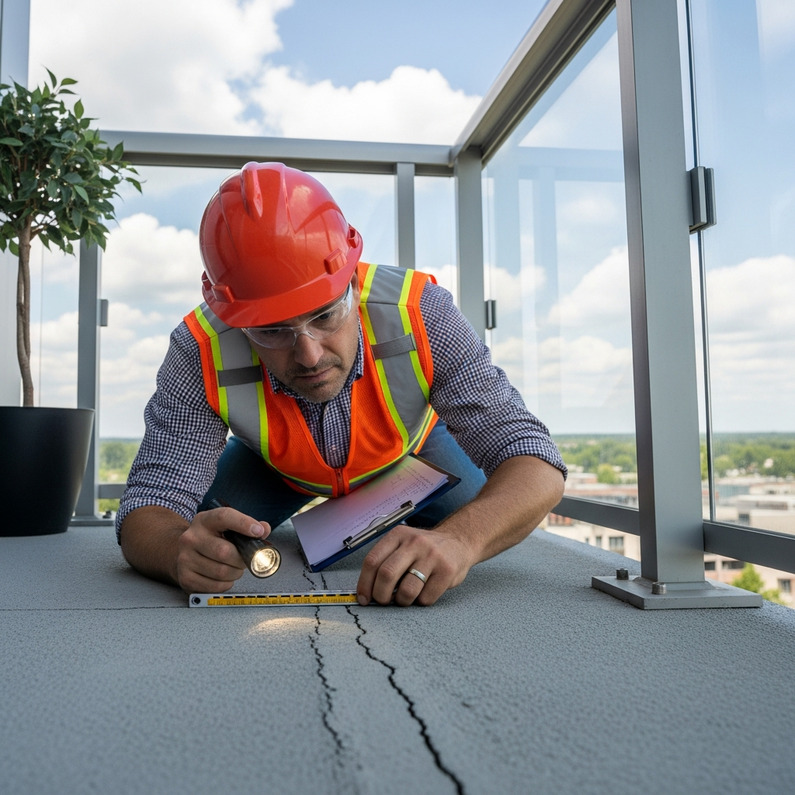
Who performs SB 326 inspection? In California, SB 326 inspections must be conducted by a licensed architect or structural engineer. The law requires qualified professionals to assess exterior elevated elements such as balconies, decks, and walkways in condo buildings.
If your HOA is preparing for compliance, understanding who qualifies, what the law requires, and who is responsible can help you avoid penalties and structural risks.
What Is SB 326 and Why It Matters
SB 326 is a California state law that requires inspections of exterior elevated elements in multifamily condominium buildings. It applies to buildings with three or more dwelling units.
The goal is simple: prevent balcony collapses and structural failures by identifying hidden damage early.
The law was passed after several tragic incidents involving deteriorated balconies. Since then, inspections are no longer optional for qualifying buildings.
If you manage a condo association, you can review the full compliance breakdown here:
https://westcoastdeckinspections.com/sb-326-condos-balcony-bill/
Who Performs SB 326 Inspection?
Under California law, SB 326 inspections must be performed by a licensed architect or structural engineer.
Not general contractors.
Not handymen.
Not property managers.
Only professionals licensed in California with structural evaluation expertise qualify.
Qualified Inspectors Under SB 326
| Professional Type | License Required | Can Perform SB 326? |
| Structural Engineer | California PE License | ✅ Yes |
| Licensed Architect | California License | ✅ Yes |
| General Contractor | CSLB License Only | ❌ No |
| Home Inspector | Certification Only | ❌ No |
This ensures inspections are conducted by professionals trained to evaluate structural integrity, load-bearing capacity, and hidden water damage.
What Are the Requirements for SB 326 in California?
Understanding the requirements helps HOAs stay compliant and avoid fines.
Buildings That Must Comply
SB 326 applies to:
- Condominium buildings
- Three or more dwelling units
- Exterior elevated elements over six feet above ground
- Elements supported by wood or wood-based components
These elements include:
- Balconies
- Decks
- Stairways
- Walkways
- Catwalks
Inspection Timeline
- Initial inspection deadline was January 1, 2025
- Inspections must be repeated every 9 years
- Reports must be maintained for HOA records
If your association still needs clarification, this guide explains it in detail:
https://westcoastdeckinspections.com/sb-326-balcony-inspections-what-california-hoas-need-to-know/
Inspection Scope
The licensed professional must:
- Visually inspect a statistically significant sample
- Perform destructive testing if necessary
- Identify waterproofing failures
- Evaluate structural integrity
- Provide written repair recommendations
Who Is Responsible for Balcony Maintenance?
This is one of the most misunderstood aspects of SB 326.
In Most Condominium Communities:
The HOA is responsible for exterior structural components, including balconies, decks, and waterproofing systems.
However, unit owners may be responsible for:
- Surface finishes
- Paint
- Decorative elements
- Interior flooring
The governing documents (CC&Rs) determine exact responsibility. But in most California HOAs, structural balcony components fall under association maintenance obligations.
Why This Matters
If an HOA neglects balcony maintenance:
- It can face liability lawsuits
- Insurance premiums may rise
- Special assessments may be required
- Board members may face fiduciary exposure
Regular inspections protect both residents and the board.
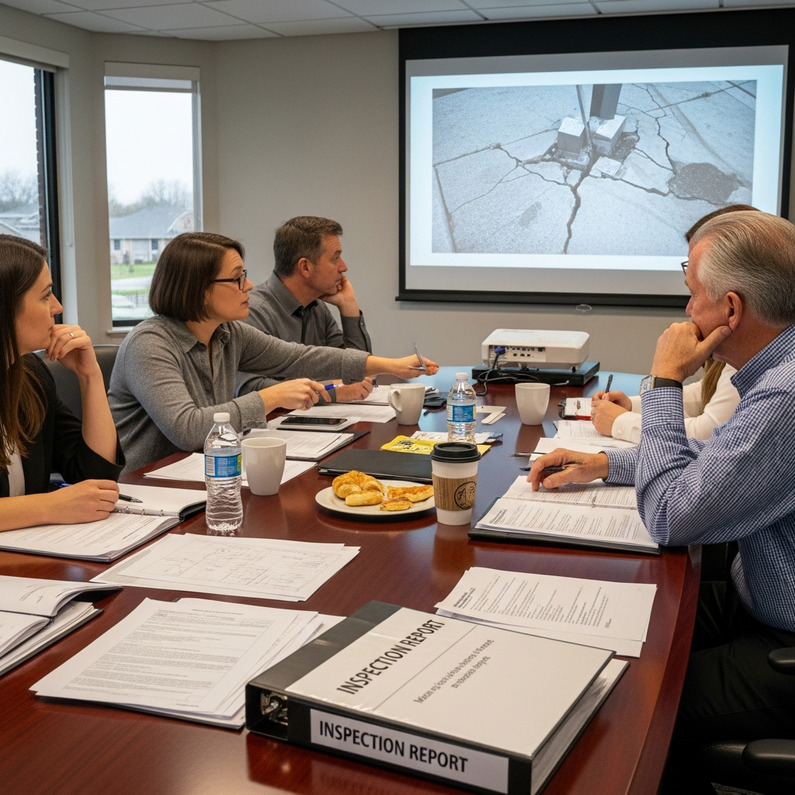
[IMAGE INSERTION: HOA board meeting reviewing inspection report]
Who Does the Balcony Inspection in California?
In California condos under SB 326, the balcony inspection is performed by:
✔ A licensed structural engineer
✔ A licensed architect
For apartment buildings (under SB 721), inspectors may also include certain licensed contractors. But SB 326 is stricter for condominium associations.
The inspection must evaluate:
- Load-bearing elements
- Waterproof membranes
- Signs of rot or decay
- Fasteners and connections
- Structural framing integrity
If waterproofing is involved, consulting professionals may also assist. Learn more about specialized services here:
https://westcoastdeckinspections.com/waterproofing-consulting/
Has SB 326 Been Extended in California?
No. SB 326 has not been officially extended.
The original deadline was January 1, 2025. Some local jurisdictions offered administrative flexibility for scheduling, but the statewide law remains in effect.
HOAs that miss compliance deadlines risk:
- Legal exposure
- Insurance complications
- Mandatory repair timelines
- Potential civil penalties
If your building has not completed inspections, it is important to schedule one immediately.
Does Home Insurance Cover Balcony Damage?
This depends on the type of policy and the cause of damage.
For Condo Associations (Master Policy)
HOA master insurance may cover:
- Sudden structural failure
- Covered perils such as fire or storms
It usually does NOT cover:
- Long-term rot
- Deferred maintenance
- Waterproofing neglect
For Individual Unit Owners (HO-6 Policy)
Unit owner policies may cover:
- Interior damage caused by a balcony failure
- Personal property damage
They typically do not cover structural balcony repairs.
Why Inspections Protect Insurance Coverage
Insurance companies increasingly request proof of SB 326 compliance. Failure to inspect could result in:
- Higher premiums
- Denied claims
- Policy cancellation
Proactive inspection protects your building financially.
Common Compliance Mistakes to Avoid ⚠
Even well-intentioned HOAs make mistakes.
❌ Hiring Unqualified Inspectors
Only licensed architects or engineers qualify.
❌ Waiting Until Structural Failure
Visible cracks often mean hidden rot already exists.
❌ Ignoring Waterproofing
Water intrusion is the primary cause of balcony deterioration.
❌ Failing to Budget Repairs
Inspections often uncover necessary repairs. Plan reserves accordingly.
What Happens During an SB 326 Inspection?
Understanding the process reduces confusion among residents.
| Step | What Happens | Why It Matters |
| Visual Review | Inspector evaluates accessible elements | Identifies obvious damage |
| Sampling | Randomized balcony selection | Ensures representative results |
| Moisture Testing | Detects hidden water intrusion | Prevents future collapse |
| Structural Review | Evaluates framing and supports | Ensures load safety |
| Report Issued | Written compliance document | Required for HOA records |
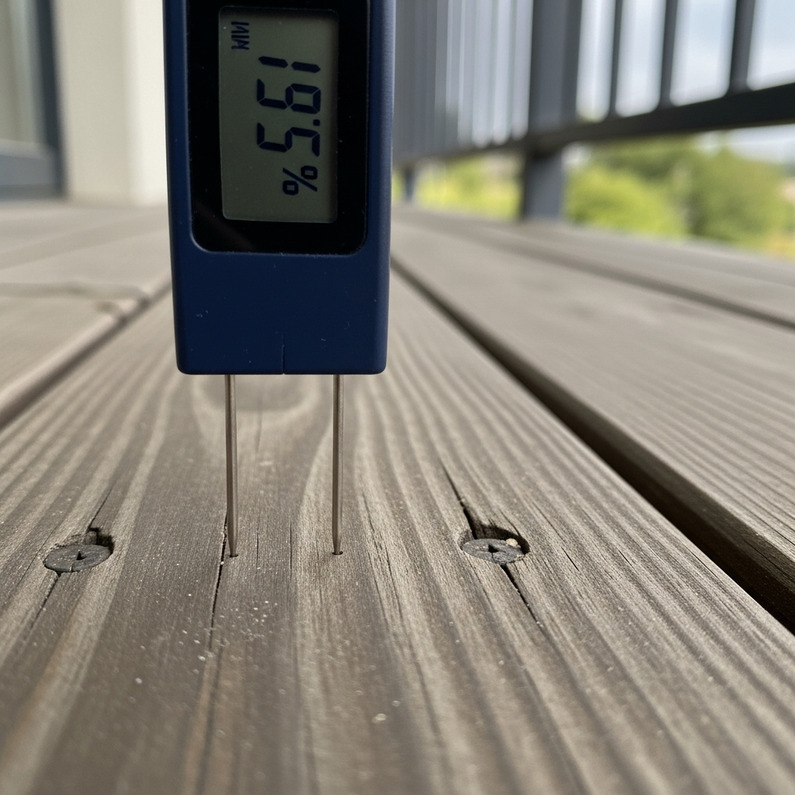
The final report will outline:
- Immediate safety hazards
- Recommended repairs
- Timeline for corrective action
Why Hiring the Right Professional Matters
A licensed structural engineer brings:
- Load calculation expertise
- Code compliance knowledge
- Legal documentation experience
Architects offer:
- Structural evaluation skills
- Design insight for repair planning
Choosing the right professional reduces long-term costs and liability exposure.
In high-moisture coastal regions of California, deterioration can progress quickly. Delaying inspection often increases repair costs exponentially.
Financial Impact of SB 326 Compliance
Many boards worry about cost. But ignoring inspections is usually more expensive.
Inspection Cost Range
- Small HOA: $3,000–$7,000
- Medium HOA: $7,000–$15,000
- Large Complex: $15,000+
Repair costs vary depending on structural damage.
Why Early Detection Saves Money
A minor waterproofing issue may cost thousands.
Full structural replacement can cost hundreds of thousands.
Proactive compliance is a financial strategy, not just a legal requirement.
Key Takeaways
- Only licensed architects or structural engineers can perform SB 326 inspections
- HOAs are typically responsible for balcony structural maintenance
- The law has not been extended
- Insurance may not cover deferred maintenance
- Inspections must repeat every 9 years
SB 326 is about safety, liability protection, and long-term building preservation.
Conclusion: Who Performs SB 326 Inspection?
Understanding who performs SB 326 inspection is critical for California HOAs. The law requires a licensed architect or structural engineer to conduct inspections of exterior elevated elements in qualifying condominium buildings.
By staying compliant, scheduling inspections on time, and addressing repairs proactively, associations reduce legal risk and protect residents.
If your HOA has not completed its inspection, now is the time to act and ensure your building meets SB 326 requirements.
Frequently Asked Questions
What are the requirements for SB 326 in California?
SB 326 requires condominium buildings with three or more units to inspect exterior elevated elements such as balconies and decks every nine years. The inspection must be conducted by a licensed architect or structural engineer and include evaluation of structural integrity and waterproofing systems. The HOA must maintain records and complete necessary repairs within recommended timelines to remain compliant.
Who is responsible for balcony maintenance?
In most California condominium communities, the HOA is responsible for structural balcony components. This typically includes framing, waterproofing membranes, and load-bearing elements. Unit owners may be responsible for surface finishes or decorative features depending on governing documents. Reviewing the CC&Rs clarifies specific responsibilities for each association.
Who does the balcony inspection in California?
Balcony inspections under SB 326 must be performed by a licensed architect or structural engineer in California. Contractors or general home inspectors do not qualify. The professional evaluates wood framing, waterproofing, connections, and structural stability and provides a written compliance report for the HOA.
Has SB 326 been extended in California?
No, SB 326 has not been officially extended statewide. The original compliance deadline was January 1, 2025. While some cities may provide scheduling flexibility, the legal requirement remains in effect. HOAs that delay inspections may face increased liability and insurance complications.
Does home insurance cover balcony damage?
Insurance coverage depends on the cause of damage and policy type. HOA master policies may cover sudden structural failure caused by covered events but usually exclude long-term rot or neglect. Individual unit owner policies may cover interior damage but not structural balcony repairs. Routine inspections help maintain insurability and reduce claim denials.
[IMAGE INSERTION: Completed balcony repair with new waterproof membrane]